The History of Cape Town, South Africa
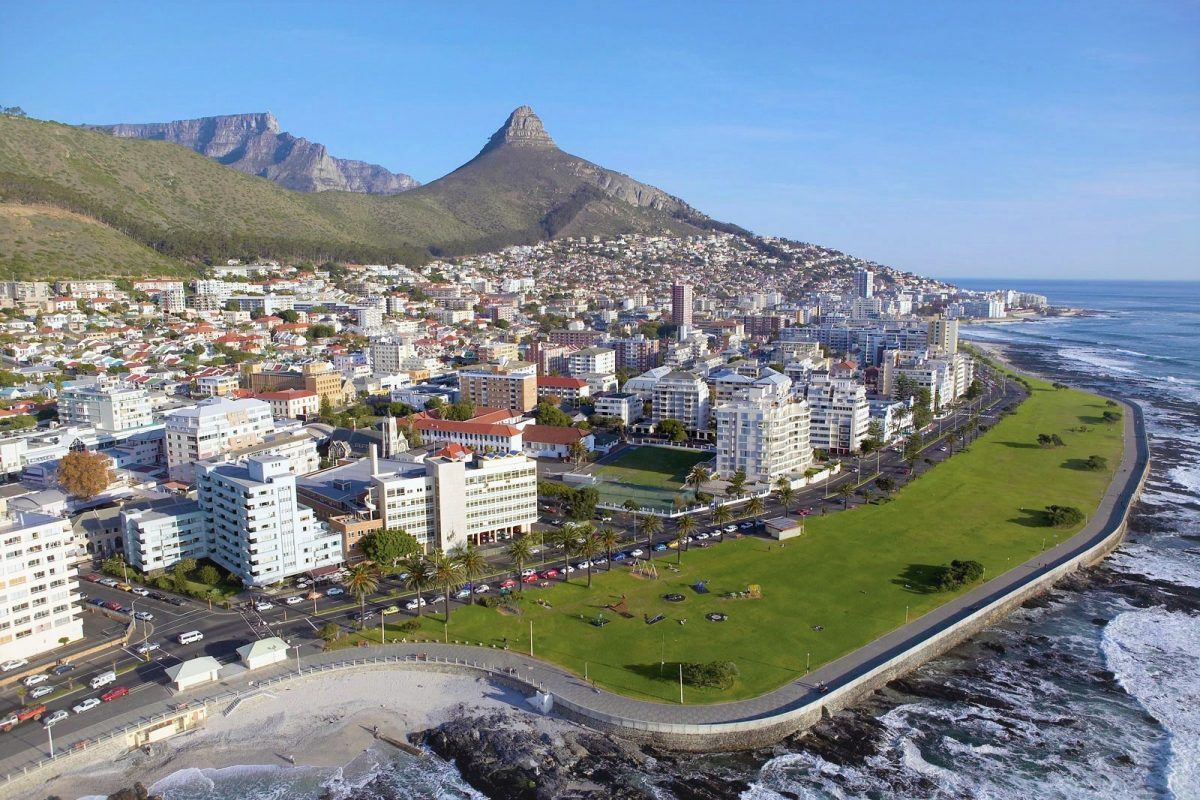
Today, the mention of Cape Town conjures images of an awe-inspiring metropolis where the iconic silhouette of Table Mountain meets the crashing waves of the Atlantic Ocean. It is an exclusive enclave for international jet-setters, global entrepreneurs, and a haven for nature lovers who flock to its multi-million-dollar homes nestled into steep mountain slopes and pristine white-sand beaches.
Long before the sprawling mansions of the Atlantic Seaboard and the bustling V&A Waterfront existed, the Cape Peninsula was home to the indigenous Khoekhoe and San peoples. These hunter-gatherers and pastoralists lived in harmony with the region's unique Fynbos biome for thousands of years. They referred to Table Mountain as "Hoerikwaggo," which translates to "Mountain in the Sea."
The first recorded European appearance in what is now Cape Town occurred in 1488 when Portuguese explorer Bartolomeu Dias rounded the peninsula, originally naming it the "Cape of Storms." However, the turning point in the region's history came in 1652, when Jan van Riebeeck arrived on behalf of the Dutch East India Company (VOC). His mission was to establish a halfway refreshment station for ships traveling to the Dutch East Indies. To defend this new outpost, the Dutch built the Castle of Good Hope, a star fort that remains the oldest surviving colonial building in South Africa.
The outpost eventually expanded, leading to the displacement of the indigenous population and the introduction of enslaved people from Indonesia, Madagascar, and India, giving rise to the vibrant Cape Malay culture that still profoundly influences the city's food, architecture, and language today. Following the Battle of Blaauwberg in 1806, the region officially fell under British control, eventually becoming the Cape Colony.
In the 20th century, Cape Town, like the rest of South Africa, endured the dark decades of Apartheid, a system of institutionalized racial segregation. This era saw forced removals in vibrant communities like District Six. Just offshore lies Robben Island, the infamous prison where Nelson Mandela was incarcerated for 18 of his 27 years in prison. Today, Cape Town is a beacon of South Africa's democratic era, known as the "Mother City", a complex, resilient melting pot of cultures, languages, and histories.
Architecture and Real Estate History in Cape Town
Cape Town's architectural landscape is a striking blend of historic preservation and cutting-edge modern design, categorised roughly by its distinct regions:
- The Historic Core and City Bowl: The city is the birthplace of Cape Dutch architecture, characterised by distinctive ornate rounded gables, whitewashed walls, and thatched roofs. In the city bowl, the Bo-Kaap neighbourhood is globally famous for its brightly coloured, flat-roofed Georgian and Dutch-style houses lining steep cobblestone streets. Nearby, the Central Business District features a wealth of well-preserved Art Deco buildings from the 1930s.
- The Atlantic Seaboard: As Cape Town grew into a global luxury destination, its real estate market exploded here, along what is often referred to as the "Riviera of Africa." Neighbourhoods like Clifton, Camps Bay, Bantry Bay, Fresnaye, and Llandudno are among the most exclusive and expensive real estate markets on the African continent. Architects face unique challenges and opportunities building on the steep, rocky slopes of Lion's Head and the Twelve Apostles. The result is jaw-dropping, multi-level modernist masterpieces featuring vast expanses of glass, infinity pools, and seamless indoor-outdoor living. High-end streets like Nettleton Road in Clifton frequently set national real estate records, with properties routinely selling for hundreds of millions of South African Rand.
- The Southern Suburbs: Just over the mountain, suburbs like Constantia and Bishopscourt offer a different kind of luxury. Here, historic wine estates and massive, sprawling properties with lush, centuries-old gardens provide privacy and tranquility, heavily favoured by international diplomats, legacy wealth, and growing families.
In recent years, Cape Town has experienced a massive real estate boom driven by "semigration", a trend of South Africans moving from inland cities like Johannesburg to the Western Cape in search of better municipal governance, a coastal lifestyle, and a booming local economy.
Entertainment and Pop Culture in Cape Town
With its breathtaking geography, highly skilled local crews, and favourable exchange rates, Cape Town has established itself as a premier destination for the global film and television industry. The world-class Cape Town Film Studios has hosted massive international productions. Blockbuster films and hit series such as Mad Max: Fury Road, Blood Diamond, Safe House, Tomb Raider, Homeland (Season 4), and the award-winning Black Mirror episode "San Junipero" were all filmed in and around the city.
The city is also a massive hub for art, design, and music. In 2014, Cape Town was named the World Design Capital. The opening of the Zeitz Museum of Contemporary Art Africa (MOCAA) in the Silo District, a stunning architectural feat carved out of historic, honeycomb-like grain silos, put Cape Town firmly on the global contemporary art map. Musically, the city is famous for hosting the annual Cape Town International Jazz Festival, affectionately known as "Africa's Grandest Gathering."
Coastal Roads and Natural Wonders
Much like Malibu's Pacific Coast Highway, Cape Town is defined by its dramatic coastal roads and proximity to raw nature. Victoria Road winds its way from Sea Point, through the glamorous beaches of Clifton and Camps Bay, all the way to the working harbour of Hout Bay.
Further south is Chapman's Peak Drive, affectionately known as "Chappies." Hacked out of the near-vertical cliff face between 1915 and 1922, it is considered one of the most spectacular marine drives in the world. The 9-kilometre route features 114 curves and offers breathtaking panoramic views of the Atlantic Ocean, making it a favourite for luxury car commercials and cyclists participating in the massive Cape Town Cycle Tour.
Beyond the roads, the city is engulfed by the Table Mountain National Park. Visitors can take the rotating Table Mountain Aerial Cableway to the summit, explore the world-renowned Kirstenbosch National Botanical Garden resting on the mountain's eastern slopes, or drive down to Boulders Beach in Simon's Town to walk among a protected colony of African penguins.
Dining, Wine, and Business in Cape Town
Cape Town is widely regarded as the culinary capital of Africa. The city's restaurant scene rivals any major global metropolis, combining indigenous flavours, Cape Malay spices, and European fine dining techniques. World-renowned establishments like La Colombe and Fyn frequently feature on the list of The World's 50 Best Restaurants.
Because of its Mediterranean climate, Cape Town and its surrounding areas are world-famous for their wine. The Constantia wine valley, located just 15 minutes from the city centre, dates back to 1685. It was here that the legendary Vin de Constance, a sweet wine famously favoured by Napoleon Bonaparte and Jane Austen, was produced. A short drive away lies the broader Cape Winelands, including Stellenbosch and Franschhoek, offering hundreds of pristine estates with tasting rooms and gourmet dining.
Beyond tourism and wine, Cape Town is a thriving modern business hub. Often dubbed the "Silicon Cape," the city is the technology and startup capital of Africa. It hosts the African headquarters of tech giants like Amazon and is a breeding ground for renewable energy, fintech, and e-commerce innovation.
Government, Hospitals, and Schools
Cape Town is the legislative capital of South Africa, housing the Parliament of South Africa. At the local level, it is governed by the City of Cape Town metropolitan municipality, uniquely the only major city and province in South Africa governed by the opposition Democratic Alliance (DA).
The city is a centre for medical excellence, boasting top-tier private healthcare facilities like the Netcare Christiaan Barnard Memorial Hospital, which caters heavily to the luxury and medical tourism market. In 1967, Cape Town made global medical history when Dr. Christiaan Barnard performed the world's first successful human heart transplant at the public Groote Schuur Hospital.
In terms of education, the city is home to several of the country's most elite private schools, such as Bishops Diocesan College, Rondebosch Boys, and Herschel Girls School. For higher education, the University of Cape Town (UCT) leads the way. Founded in 1829, UCT is the oldest university in South Africa and is consistently ranked as the number one university on the African continent. The campus is dramatically situated on the slopes of Devil's Peak, offering students sweeping views of the city below.